What is Conversational AI in Recruitment?
Three forms of conversational AI in hiring: text chatbots, voice AI agents, and virtual assistants. Voice AI screens in 8-15 min vs. 20-30 min manual (SHRM 2024).
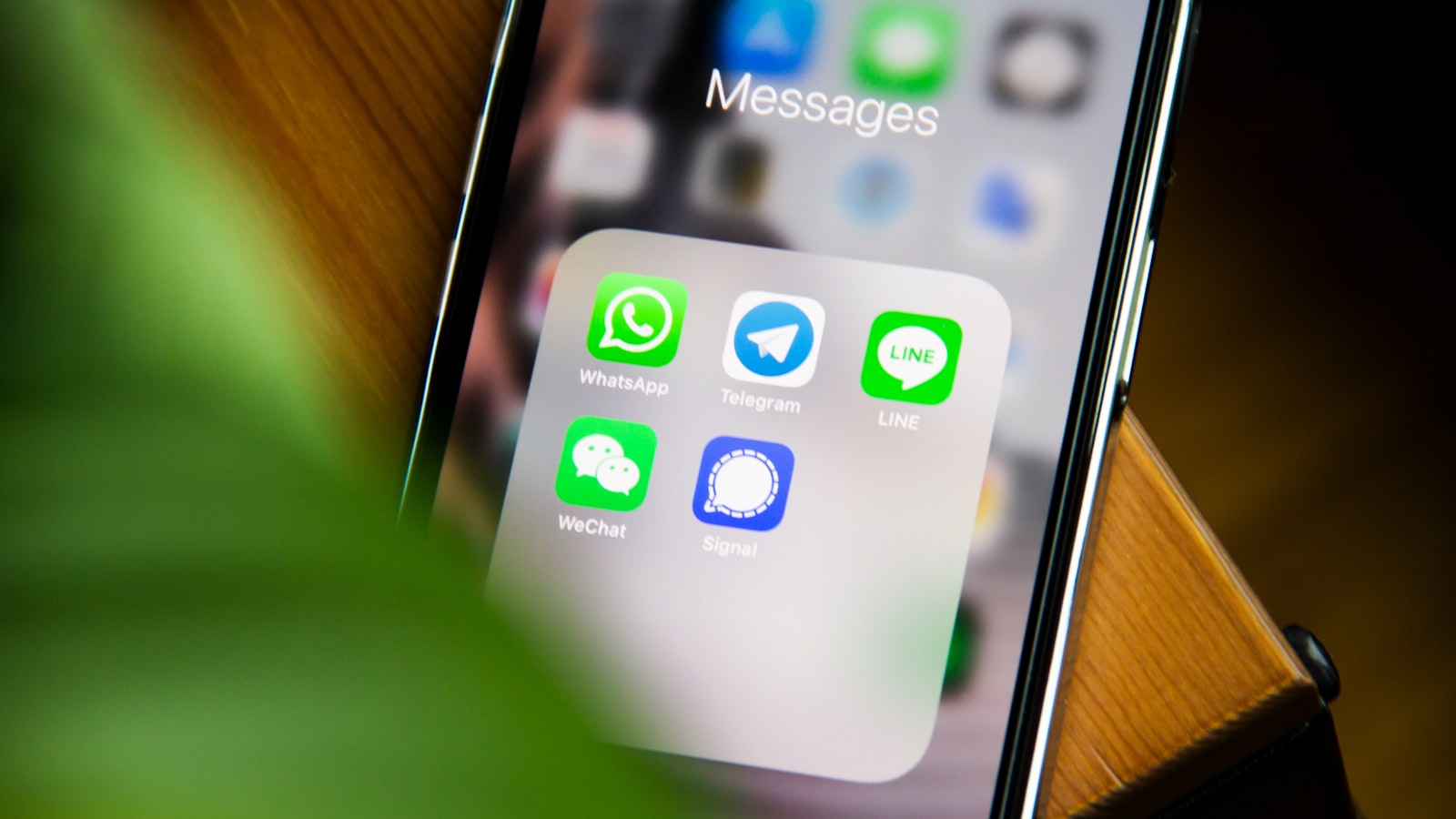
TL;DR: Conversational AI in recruitment takes three forms: text-based chatbots (career site engagement, FAQs), voice AI agents (automated phone screening, 8-15 min vs. 20-30 min manual), and virtual recruitment assistants (end-to-end candidate communication across channels). Unlike rule-based chatbots, modern conversational AI uses large language models to understand intent, maintain context, and generate dynamic responses. Highest-ROI application: automated phone screening, which saves 7.5-11 recruiter hours per hire (SHRM 2024) and delivers 70-85% completion rates (Aptitude Research, 2025).
What is Conversational AI?
Conversational AI enables machines to understand, process, and respond to human language in natural dialogue. Unlike rigid rule-based chatbots, modern systems use natural language processing (NLP), large language models (LLMs), and machine learning to understand intent, maintain context across conversations, and generate relevant responses dynamically.
Three Forms in Recruitment
| Type | Channel | Primary Use Cases | Best For |
|---|---|---|---|
| Text chatbots | Career sites, SMS, WhatsApp | FAQs, pre-screening, status updates, job matching | High-volume career site engagement |
| Voice AI agents | Phone calls | Structured phone screening, qualification interviews | Initial candidate assessment at scale |
| Virtual recruitment assistants | Multi-channel (email, SMS, chat, phone) | End-to-end candidate communication across hiring stages | Full-lifecycle candidate management |
Text-Based Chatbots
Appear on career sites, application portals, and messaging platforms. Handle candidate inquiries, pre-screen with qualifying questions, schedule interviews, provide status updates. Modern chatbots conduct structured screening conversations with follow-up questions based on responses.
Voice AI Agents
Conduct automated phone screens, candidates call in and interact through natural speech. Particularly valuable for high-volume roles, candidates preferring phone communication, and situations where typing feels limiting. Voice AI screens take 8-15 minutes vs. 20-30 for manual screens (SHRM 2024).
Virtual Recruitment Assistants
Combine chatbot and voice capabilities with deep workflow integration. Manage end-to-end candidate communication from initial engagement through offer, coordinating across email, SMS, chat, and phone channels.
How It Works
Understanding intent. When a candidate asks "What's the salary for the marketing manager role?" the system parses input, identifies intent (compensation inquiry), extracts entities (job title), and determines the appropriate response.
Maintaining context. If the candidate follows up with "What about the benefits?" the system understands "the" refers to the marketing manager role discussed previously.
Generating responses. Large language models produce contextually appropriate responses rather than selecting pre-written scripts, more natural and varied conversations.
Taking actions. Beyond conversation, systems trigger workflows: qualifying a candidate → scheduling an interview → updating ATS status → notifying hiring manager → sending confirmation, all within the same interaction.
Key Use Cases and ROI
| Use Case | Time Savings | Impact | Source |
|---|---|---|---|
| Candidate pre-screening | 7.5-11 hrs/hire | Highest ROI, automates repetitive qualification | SHRM 2024 |
| Interview scheduling | 3-7 days eliminated per candidate | Removes calendar coordination bottleneck | Aptitude Research 2025 |
| Career site engagement | Reduces bounce rate | Helps candidates find relevant roles via dialogue | — |
| Status updates | Eliminates inquiry volume for recruiters | Candidates get instant answers, not silence | — |
| Candidate nurturing | Scales engagement impossible manually | Periodic check-ins, content sharing, relationship maintenance | — |
Benefits
Always-on availability. Every inquiry gets an immediate response regardless of time or timezone, critical for candidates currently employed or in different regions.
Consistent experience. No variation based on which recruiter is available, how busy the team is, or time of day.
Scalability. One candidate or one thousand simultaneously. Hiring surges scale instantly without additional headcount.
Limitations
Complex conversations. Handles structured, predictable interactions well but struggles with salary negotiations, sensitive accommodations, and complex career counseling. Human fallback essential.
Candidate perception. Some candidates prefer human interaction, particularly for senior roles. Always offer a clear path to human contact.
Implementation quality. A poorly implemented chatbot that misunderstands questions or creates dead-end conversations damages employer brand. Quality of AI, training data, and configuration determine whether it helps or hurts.
Bias and fairness. Like all AI systems, can reflect biases in training data. Regular auditing of outcomes across demographic groups is essential per EEOC guidelines.
Frequently Asked Questions
How is conversational AI different from a regular chatbot?
Traditional chatbots follow rigid scripts and respond only to specific keywords. Conversational AI uses NLP and machine learning to understand intent, maintain context, handle unexpected inputs, and generate dynamic responses, a far more natural, flexible interaction.
Will candidates know they're talking to AI?
Transparency is best practice. Disclose at the start of the interaction. A 2024 Gartner survey found 67% of candidates are comfortable with AI interactions when the purpose is clearly explained.
Can conversational AI handle multiple languages?
Most platforms support major languages (Spanish, French, German, Mandarin). Quality varies by provider and language. Test specific languages during evaluation rather than relying on vendor claims.
What's the ROI of conversational AI in recruitment?
Teams automating high-volume screening see fastest returns, often within the first quarter. AI phone screening saves 7.5-11 hours per hire (SHRM 2024). Scheduling automation and career site engagement also deliver measurable time savings.
Can conversational AI screen as effectively as human recruiters?
For structured, criteria-based screening, conversational AI performs comparably with greater consistency and speed. It excels at qualification verification and standardized rubric evaluation. For nuanced soft skills and cultural fit, human judgment remains superior. Best approach: AI for initial qualification, humans for deeper assessment.
Written by
Outhire Team